

Many people wonder if a reformer pilates body transformation is real or just another fitness trend. You may have seen amazing pilates reformer body transformation photos and started asking yourself, how does reformer pilates change your body or does pilates transform your body? If you want a stronger, leaner reformer pilates body without spending hours in the gym, you are not alone.
In this guide, you will learn what a reformer pilates body transformation really looks like, how long it usually takes to see results, and what changes you can realistically expect. We will also cover expert tips, common mistakes, and simple ways to get the best results, so you can decide if Reformer Pilates is the right choice for your fitness journey.
Reformer Pilates Body Transformation
Reformer Pilates body transformation happens gradually, driven by consistent time under tension rather than heavy external load. Posture and control shift first, with visible muscle tone and body composition changes following over consistent weeks of practice.
The table below offers a quick snapshot of what to expect and when, so you can track progress against realistic markers instead of comparing yourself to filtered before-and-after photos online.
| Timeframe | What Changes |
| 2–4 weeks | Improved posture and body awareness |
| 4–6 weeks | Noticeably better strength and control |
| 8–12 weeks | Visible muscle tone and body composition change |
What is Reformer Pilates?

Reformer Pilates is a form of resistance training performed on a spring-loaded machine called a reformer, combining classic Pilates principles with adjustable, controlled resistance. It builds strength, flexibility, and stability in a low-impact format suited to nearly every fitness level.
Unlike traditional weight training, the reformer uses a sliding carriage and spring tension to challenge your body through a full range of motion. The sections below explain how the machine works, how it shapes your body, and who benefits most from regular practice.
Meet the Machine: How the Reformer Actually Works
The reformer has a sliding carriage attached to a set of springs, a footbar, and pulley handles. Adjusting the springs changes resistance, allowing exercises to be tailored from gentle rehab work to demanding full-body strength training.
Movement Mechanics: How Reformer Pilates Shapes Strength and Control
Because the carriage is never fully stable, your deep stabilizing muscles, including the transverse abdominis and the muscles around your spine and hips, stay switched on throughout every rep. This constant micro-correction is what builds functional strength and coordination rather than isolated muscle bulk.
Reformer Versus Mat Pilates: What Changes for Your Body
- Mat Pilates uses body weight and gravity for resistance.
- Reformer Pilates adds adjustable spring tension, increasing or decreasing load precisely.
- The reformer supports a wider range of motion, which helps with joint mobility and injury recovery.
- Many people find reformer work easier to hold correct form in, since the springs assist and challenge movement at the same time.
Who Benefits Most and How to Turn Sessions into a Body Transformation
Beginners, busy professionals, postpartum women, athletes, and people recovering from injury all benefit from reformer training. To turn sessions into a genuine transformation, aim for two to three classes a week, progress your spring resistance gradually, and pair training with adequate protein intake and sleep.
Common Reformer Exercises and What They Train
- Footwork: Builds leg strength and warms up the core.
- The Hundred: Trains deep core endurance and breath control.
- Long Stretch Series: Builds shoulder stability and full-body control.
- Rowing Series: Strengthens the back, arms, and posture muscles.
- Side Splits: Improves hip mobility, balance, and inner and outer thigh strength.
Programming Tips for Real Body Transformation
Progress happens through structure, not intensity alone. Increase spring resistance gradually, rotate muscle groups across the week, and track simple markers like how many reps you complete with control, rather than chasing soreness.
Safety, Certification, and When to Seek an Instructor
Always work with a certified instructor, particularly in your first few sessions. Proper setup, spring selection, and alignment cues prevent strain and make sure your effort is actually building strength rather than compensating around weak spots.
Physical Transformations from Consistent Reformer Pilates Practice

Consistent reformer Pilates practice reshapes the body gradually, starting with posture and control before visible muscle definition follows. Each session builds on the last, layering strength, mobility, and coordination in a way that compounds over weeks and months. The result is a body that moves better, not just one that looks different.
Understanding this progression helps set realistic expectations from the start, rather than chasing a quick fix that rarely lasts. The sections below break down exactly what changes to expect, in what order, and roughly when, from lean muscle sculpting to improved joint mobility and everyday functional strength.
Lean Muscle Sculpting: Tone Without Bulk
Reformer Pilates uses time under tension and controlled resistance rather than heavy external load, which builds long, defined muscle rather than bulk. This is why reformer pilates body transformation tends to produce a leaner, more elongated look rather than added mass.
Flexibility and Joint Mobility: Gain Range With Control
The spring system supports your joints through a fuller range of motion than most free-weight training allows, gradually improving flexibility in the hips, spine, and shoulders while keeping every stretch controlled and safe.
Functional Movement and Everyday Performance: Strength That Transfers
Because reformer exercises train balance, coordination, and core control together, the strength you build carries over into everyday movement, such as lifting, twisting, and standing for long periods without fatigue.
Injury Prevention and Rehab: Controlled Loading for Safer Results
The adjustable spring resistance makes it possible to load muscles and joints safely, which is why reformer Pilates is widely used in physiotherapy and post-injury rehabilitation programs.
Body Composition and Conditioning: What Changes to Expect
Muscle tone, waist definition, and posture typically improve first. In fact, a 2025 trial of 47 adult women with overweight or obesity found that training three times weekly for eight weeks produced clear gains in strength, endurance, movement control, and flexibility. Broader body composition change also depends on nutrition, sleep, and overall activity level.
Consistency and Results: How Often to Practice and When You’ll Notice Change
- 2 to 3 weeks: Improved posture and body awareness.
- 4 to 6 weeks: Noticeably better strength and control.
- 8 to 12 weeks: Visible muscle definition and body composition changes.
Two to three sessions per week is the range most instructors recommend for genuine transformation.
Technique, Coaching, and Progression: Why Instruction Matters
Correct form determines whether a session builds strength or reinforces bad movement patterns. Coached progression, where an instructor adjusts your springs and cues your alignment, produces faster and safer results than working alone.
Try a Class: BLOOD, SWEAT & TEARS Can Help You Change Faster
BLOOD, SWEAT & TEARS runs a women-focused studio in Angel, London, pairing reformer Pilates principles with Lagree conditioning on the Megaformer. Classes combine resistance work, core activation, mobility drills, and steady cardio into a focused 45-minute session, with certified instructors guiding every rep.
Related Reading
- Pilates vs Lagree: Key Differences and How to Choose
- Beginner Pilates Reformer Exercises and How to Structure a Routine
- Lagree Pilates vs Reformer Pilates: Which Workout Is Right for You
Additional Benefits Supporting Body Transformation
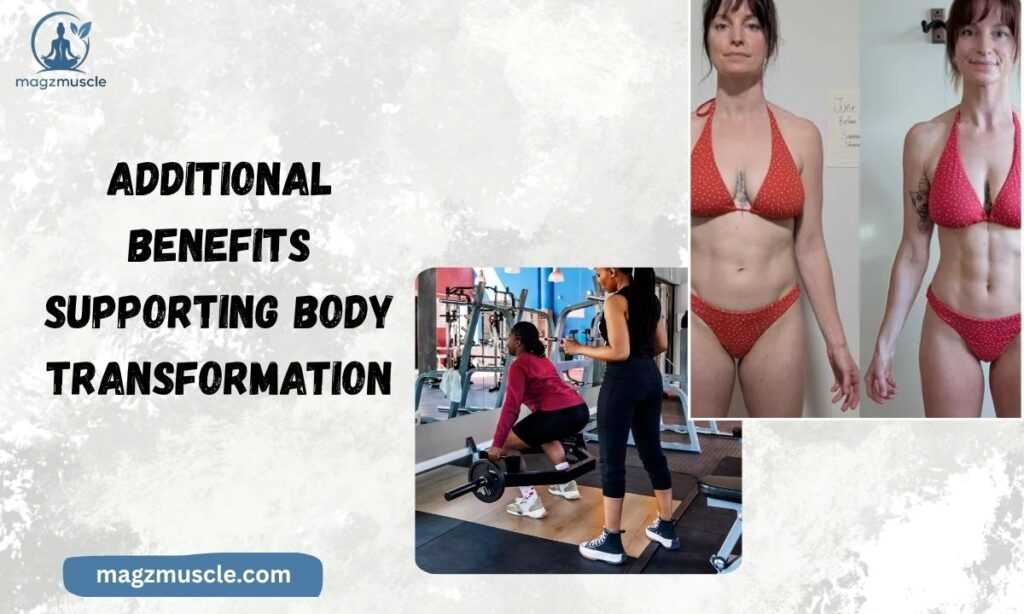
Beyond building lean muscle and improving flexibility, reformer Pilates supports the body in ways that make long-term transformation realistic and sustainable. These additional benefits touch on metabolism, posture, injury management, and mental wellbeing, all of which reinforce the physical changes happening on the reformer.
Together, they explain why so many people stick with the method long after the initial novelty wears off.Understanding these supporting benefits also helps set the right expectations. A body transformation is rarely just about muscle tone, it is about how efficiently you move, how well you recover, and how you feel day to day. The sections below cover each of these areas in more detail.
Weight Management Through Controlled Resistance and Consistency
Reformer sessions build lean muscle, which supports a healthier resting metabolism over time. Combined with consistent scheduling, this makes reformer Pilates a useful piece of a broader weight management routine.
Posture and Alignment: Stand and Move More Efficiently
Because every exercise emphasizes spinal alignment and pelvic control, regular practice retrains posture, reducing the slouch that builds up from long hours at a desk.
Rehab Friendly Support for Chronic Conditions and Injury Recovery
The low-impact, spring-supported format makes reformer Pilates a common recommendation for people managing joint pain, chronic back issues, or returning from surgery, always under professional guidance.
Mind and Mood: Mental Health Benefits from Focused Movement
The breath-driven, focused nature of reformer training encourages a mental reset. Many practitioners report reduced stress and improved mood after sessions, alongside the physical gains.
Who Can Benefit Most from Reformer Pilates?
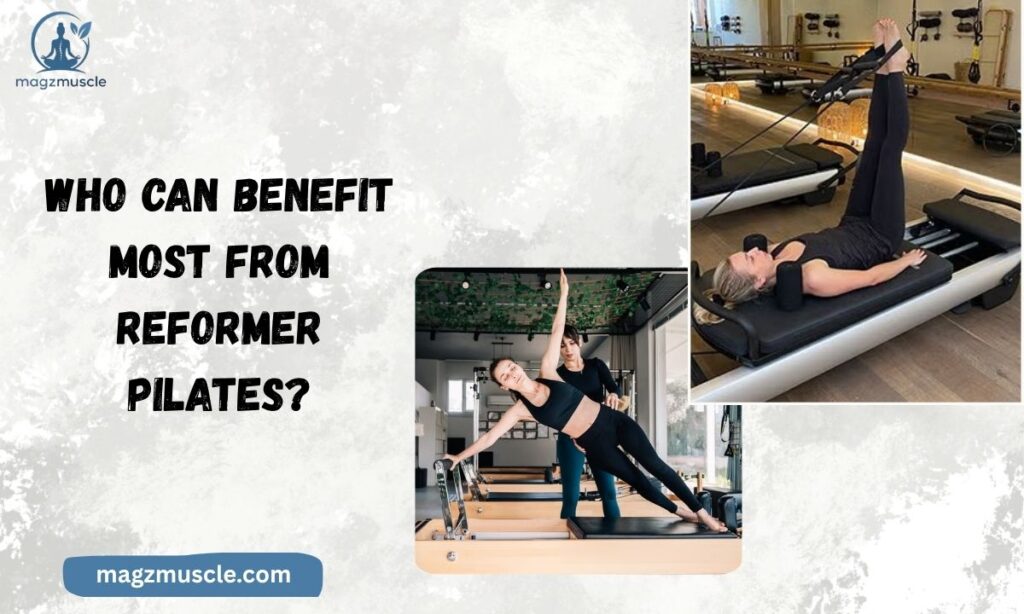
Reformer Pilates adapts to almost any starting point, from complete beginners to seasoned athletes, because the spring resistance can be adjusted to match your current strength and mobility. This flexibility is part of why it has become one of the most widely recommended low-impact workouts across age groups and fitness levels.
Whether you’re recovering from injury, supporting your body through pregnancy and postpartum recovery, or simply looking for a class-based routine that keeps you accountable, the method meets you where you are. The sections below break down exactly how different groups benefit and what results they can expect.
New to Fitness: Build Strength Without High Impact
The adjustable spring system lets complete beginners start with light resistance and build confidence gradually, without the joint stress of high-impact workouts. It’s an approachable entry point into strength training that still delivers real, noticeable results.
People Who Prefer Classes: Motivating Group Sessions That Teach Technique
Group classes give structure, energy, and real-time form correction that’s hard to replicate training alone, helping you learn proper technique faster and stay consistent. The shared motivation of a room full of people working toward similar goals also makes it easier to show up week after week.
Women: Pregnancy Support, Postpartum Recovery, and Pelvic Floor Strength
Reformer Pilates is widely used to support pelvic floor strength during pregnancy and to guide safe, gradual postpartum recovery, always with modifications from a qualified instructor. The controlled, low-impact format helps women rebuild core and pelvic floor function without added strain.
People Recovering from Injury: Controlled Rehab and Safe Muscle Reeducation
Adjustable spring resistance allows for gradual, controlled loading, making the reformer a common tool in physiotherapy and post-injury rehabilitation programs. It helps people safely rebuild strength, coordination, and confidence in movement as they recover.
Athletes: Improve Power, Balance, and Movement Efficiency
Athletes use reformer Pilates to sharpen balance, core stability, and coordination, all of which translate directly into better power and movement efficiency in their primary sport. The controlled, low-impact resistance also allows for high training volume without adding to joint wear and tear.
Body Transformation Effects: Strength, Tone, Posture, and Metabolic Lift
Across beginners, athletes, and everyone in between, the outcomes of consistent reformer Pilates practice look remarkably similar: greater strength, visible muscle tone, improved posture, and a modest metabolic boost from added lean muscle. These effects compound over time, making consistency the real driver of transformation.
Why Choose BLOOD, SWEAT & TEARS for Lagree in London
BLOOD, SWEAT & TEARS removes the usual gym downsides. Every instructor is certified and completes a rigorous mentorship program, ensuring classes are effective, motivating, and safe, all within a women-focused space in Angel, Islington.
Related Reading
- Transform Your Body with Pilates London Bridge at BST Lagree
- London’s Premier Lagree Fitness Studio in Angel
Book a Lagree Class in London Today
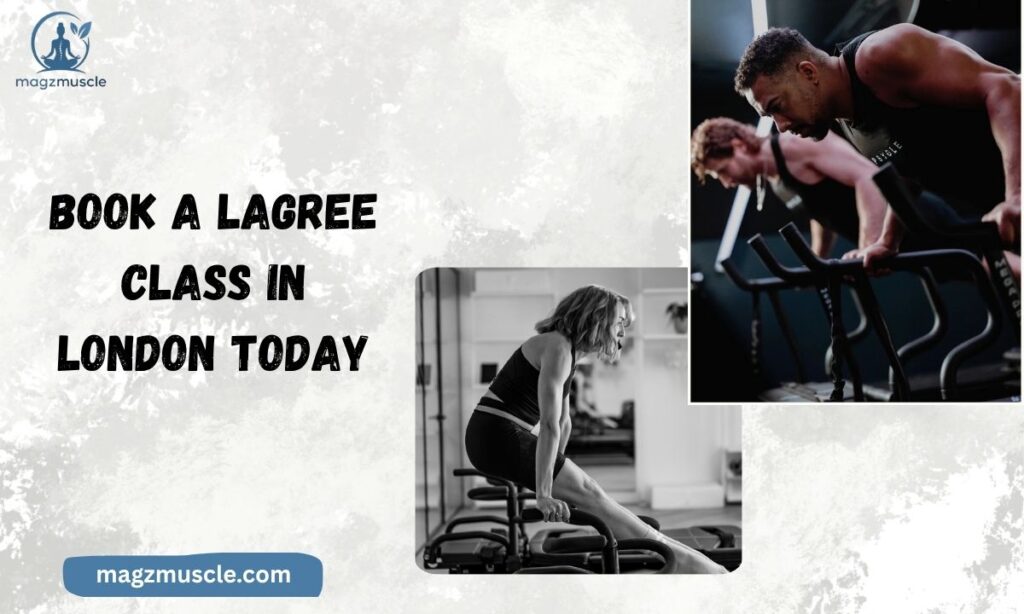
Ready to move from reading about reformer Pilates body transformation to actually feeling it? BLOOD, SWEAT & TEARS offers a structured, supportive way to start, with certified instructors guiding you from your very first session.
Every class blends strength and cardio into a focused 45-minute Megaformer workout, so you build lean muscle, improve posture, and boost flexibility without spending hours in the gym. Book your first beginner session today and see why Lagree in London keeps clients coming back.
Why a Women-Focused Space Makes a Difference
Training alongside other women, coached by instructors who understand female-specific goals like postpartum recovery and pelvic floor strength, creates a more comfortable and motivating environment.
The 45 Minute Lagree Formula: Strength and Cardio in One
Each class blends strength training and steady cardio using the Megaformer, delivering a full-body workout in less time than a traditional gym session.
Safety and Professional Instruction
All instructors are certified and mentored to guide beginners through spring selection, alignment, and pacing, reducing injury risk while keeping intensity high.
How Reformer Pilates Produces Body Transformation
Constant core engagement, controlled resistance, and full-body coordination combine to build lean muscle, improve posture, and increase flexibility over consistent weeks of training.
What to Expect in Your First Classes
Arrive 15 minutes early for a beginner orientation, wear fitted workout clothes, and bring grip socks. Your instructor will walk you through spring setup and basic cues before the main session begins.
Results Timeline and Why You’ll Notice Change Quickly
Most people feel a difference in posture and energy within the first two weeks, with visible muscle tone typically developing over 8 to 12 weeks of consistent training.
Class Culture and Studio Experience
Classes at BLOOD, SWEAT & TEARS are built to feel motivating rather than intimidating, with certified instructors creating an energetic, supportive atmosphere in a women-focused space. You train hard for 45 minutes, but the culture stays uplifting and judgment-free, without the usual gym-floor pressure.
How to Book and Get Started
Booking a class with BLOOD, SWEAT & TEARS takes just a few minutes through their online scheduling system. First-time clients should select a beginner session, since this walks you through spring setup, machine basics, and core alignment cues before jumping into a full workout.
Arrive 15 minutes early, bring grip socks and fitted workout clothes, and let your instructor guide the pace as you take your first steps toward real reformer Pilates body transformation.
Frequently Asked Questions
Does reformer Pilates change body shape?
Yes, Reformer Pilates can improve body shape by building lean muscle, strengthening your core, enhancing posture, and creating a more toned appearance.
How long does it take for a Pilates reformer to change your body?
Most people notice improved strength and posture within 4–6 weeks, while visible body changes often appear after 8–12 weeks.
Can you get in shape with a Pilates reformer?
Yes, regular Reformer Pilates workouts improve strength, flexibility, balance, and muscle tone, helping you achieve a fitter, healthier body.
Does Reformer Pilates give you a toned body?
Yes, Reformer Pilates strengthens muscles without adding bulk, helping create a lean, toned physique when practiced consistently with healthy habits.
Will Reformer Pilates flatten my stomach?
Reformer Pilates strengthens your core and abdominal muscles, improving stomach definition, while overall fat loss depends on nutrition and lifestyle.
What does a Pilates body look like?
A Pilates body is typically lean, toned, flexible, and well-balanced, with improved posture, stronger core muscles, and better overall body alignment.
Conclusion
A reformer pilates body transformation takes patience and consistency. Every pilates reformer body transformation is different. Your reformer pilates body becomes stronger with regular practice. If you wonder how does reformer pilates change your body or does pilates transform your body, the answer is yes with commitment.
A reformer pilates body transformation happens through small, steady progress. Keep training and stay consistent. Your reformer pilates body transformation goals become achievable over time. Trust the process and enjoy a healthier, stronger reformer pilates body.