

Many people start Pilates to lose weight but soon wonder how many calories does pilates burn. You may also ask how many calories does reformer pilates burn, compare reformer pilates calories burned, or search how many calories does 30 minutes of pilates burn. It can feel confusing because every website gives different numbers for calories burned in reformer pilates.
In this guide, you will learn how many calories does pilates burn based on your workout type, body weight, and session length. We will explain the average calories burned in mat and reformer Pilates, what affects calorie burn, and simple ways to increase your results. By the end, you’ll have clear answers and know what to expect from every Pilates session.
Summary
Reformer Pilates delivers a solid calorie burn while building real strength, all without the joint stress of high impact training. Here’s a quick snapshot of what the numbers and benefits actually look like.
- Typical class burns 200 to 450 calories in 45 to 50 minutes
- Roughly 4 to 7 calories burned per minute on the reformer
- Calorie burn varies with body weight, intensity, and experience
- Higher spring resistance increases muscular demand and total burn
- Low impact format protects joints while still delivering results
- Builds lean muscle, which raises resting metabolism over time
- Core strength improvements often noticeable within 12 sessions
- Flexibility gains typically show up within about 8 weeks
- Interval style pacing boosts afterburn more than steady effort
- Consistency over time matters more than any single high burn session
The bigger takeaway is that calories are just one part of the picture. Reformer Pilates builds lasting strength, mobility, and body awareness that compound well beyond what any single session’s calorie count can show.
How Many Calories Does Reformer Pilates Burn?
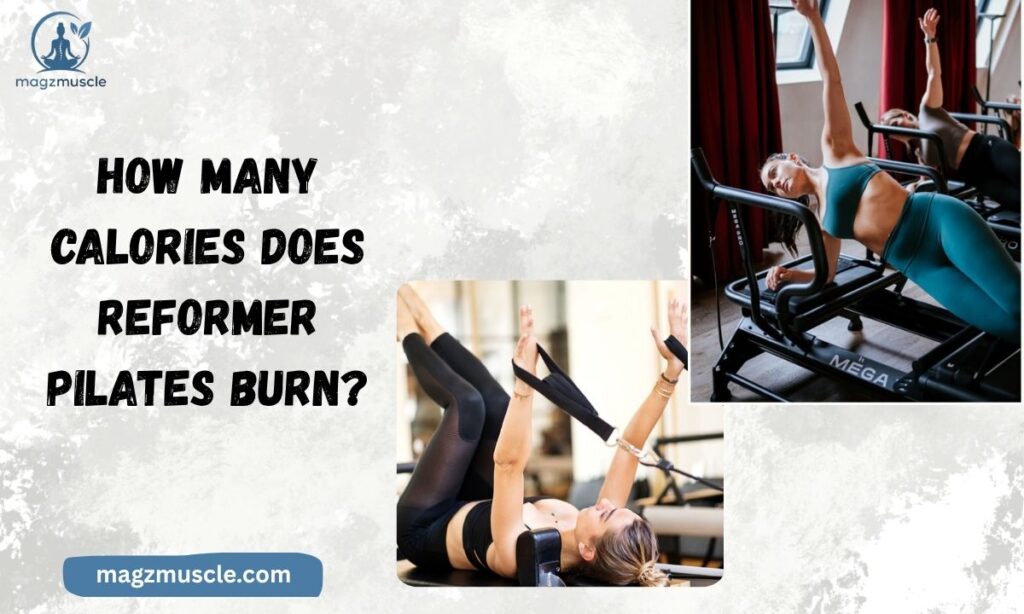
A typical reformer Pilates class burns somewhere between 4 and 7 calories per minute, which adds up quickly across a full session. Over a standard 45 to 50 minute class, that translates to roughly 200 to 450 calories, depending on your body weight, intensity, and experience level. The exact number will always vary from person to person, but this range gives you a realistic benchmark to work from.
What matters more than the precise figure is understanding what drives it and how to use that information practically. Calorie burn is a useful signal for comparing workouts and tracking general trends, not a score to obsess over after every class. Pairing this awareness with consistent training is what actually delivers results over time.
Key factors that shape your calorie burn include:
- Body weight and overall muscle mass
- Spring resistance and class intensity
- Personal effort and experience level on the reformer
How Many Calories Can You Expect In A Typical Session?
A standard 50 minute reformer class typically burns 200 to 450 calories. A lighter, beginner paced session might land closer to 200, while a fast, spring loaded, high intensity class can push past 400. Heavier body weight and higher effort both push the number upward.
Why Do Estimates Swing So Widely?
Calorie burn depends on body weight, muscle mass, spring resistance, class pace, and how hard you personally push. Two people in the same class, doing the same moves, can burn very different amounts of energy based on these individual factors.
High-Impact Results, Low Joint Stress
Reformer Pilates delivers strength and cardio benefits similar to moderate intensity training, but the sliding carriage and controlled tempo remove the pounding that comes with running or jump training. You get real results without the joint wear.
How Should You Use Calorie Numbers In Practice?
Treat the calorie range as a rough guide, not a scoreboard. Use it to compare workouts and track general trends over weeks, rather than obsessing over the exact figure your wearable displays after one class.
Calories Are Clues, Not Targets
A single number cannot capture strength gains, posture improvements, or the muscle you are building. Calories burned is one data point among several worth tracking.
Related Reading
- Reformer Pilates vs Mat Pilates: Which Burns More?
- Does Reformer Pilates Help With Weight Loss?
- Beginner’s Guide to Your First Reformer Class
Factors That Affect Calorie Burn

No two reformer sessions burn exactly the same number of calories, even in the same class with the same instructor. Body weight, muscle mass, and effort level all shift the total, which is why two people side by side can see very different results. Understanding these variables helps you interpret your own numbers instead of comparing them to someone else’s.
What happens outside the studio matters just as much as what happens during class. Sleep, nutrition, stress, and daily activity levels all influence how efficiently your body burns energy, both during and after your session. Building lean muscle over time compounds these effects further, raising your resting metabolism so you keep burning calories long after you’ve left the reformer.
How Accurate Are Your Calorie Estimates?
Fitness trackers estimate calorie burn using heart rate and movement, which makes them useful for spotting trends but unreliable for exact figures. Expect a margin of error of 20 percent or more on most consumer devices.
What Else, Outside Of Class, Affects Daily Calorie Burn?
Sleep quality, daily activity level, stress, and nutrition all influence how many calories your body burns across the day, not just during your 50 minutes on the reformer.
How Much Does Building Muscle Matter Here?
Muscle tissue burns more calories at rest than fat tissue. A consistent reformer practice builds lean muscle over months, which raises your basal metabolic rate and increases the calories you burn even when you are not training.
Does Workout Structure Affect the Afterburn and Efficiency?
Yes. Interval style formats with higher effort blocks trigger a stronger afterburn effect, known as excess post exercise oxygen consumption, than steady, low effort pacing throughout the class.
What Practical Tradeoffs Should You Manage?
- Higher intensity means faster calorie burn but requires more recovery time.
- Heavier spring resistance builds strength but raises injury risk without proper form.
- Frequent short classes may suit busy schedules better than fewer long ones.
Faster Progress Without the Wear and Tear
Because reformer work is low impact, you can train more frequently than high impact cardio allows, which compounds results over time without overloading joints and connective tissue.
Faster Results, Safer Workouts
Combining controlled resistance with proper form lets you push intensity safely, so you get quicker strength and toning results without the injury risk common to high impact training.
Beyond Calories: The Real Benefits of Reformer Pilates

Calorie burn is just one small slice of what reformer Pilates actually delivers over time. The real value shows up in stronger core stability, improved flexibility, and better movement control that carries into everyday life. These changes tend to stick around long after any single class ends, unlike a calorie count that resets the next morning.
What makes reformer training different is how it teaches your body to move efficiently under controlled resistance. That control transfers directly into daily habits, from better posture at your desk to safer movement patterns during other workouts. Over weeks and months, practitioners consistently report benefits that go far beyond the number their tracker shows.
| Benefit | Typical Timeline |
| Improved core strength | Around 12 sessions |
| Increased flexibility | About 8 weeks |
| Better posture and alignment | Ongoing, builds with consistency |
| Reduced everyday injury risk | Improves as movement control develops |
How Measurable Are The Changes People Actually See?
Many practitioners report noticeable core strength gains within 12 sessions and improved flexibility within eight weeks of consistent practice, alongside better posture and body control.
Why Does Improved Core And Flexibility Matter Beyond Aesthetics?
A stronger core and more flexible joints reduce your risk of everyday injury, improve balance, and make other physical activities, from lifting groceries to playing sport, noticeably easier.
How Does The Reformer Work To Create Movement Efficiency That Your Body Keeps Using?
The reformer trains your body to stabilize and control resistance through a full range of motion. That control transfers into daily movement patterns, so you move more efficiently even outside the studio.
Stronger, Safer, Smarter Workouts
Reformer training teaches proper alignment and controlled breathing, which reduces compensatory movement patterns that often cause injury in other training styles.
What Carries Forward After The Program Ends?
Improved posture, better core engagement, and increased body awareness tend to stick with practitioners long after a structured program finishes, because these are learned movement habits, not temporary fitness spikes.
What Do People Actually Feel Differently About?
Most reformer practitioners report better posture, reduced lower back discomfort, improved balance, and a stronger mind muscle connection during everyday activities.
Related Reading
- How Reformer Pilates Improves Posture
- Core Strength Benefits of Reformer Training
- Reformer Pilates for Back Pain Relief
How to Maximise Calorie Burn During Reformer Sessions

Small, intentional adjustments can meaningfully increase the calories you burn without adding a single minute to your class. It comes down to tracking effort accurately, structuring the session smartly, and making resistance decisions with real data instead of guesswork. Together, these changes turn a good workout into one that consistently pushes your results further.
The habits you build around class matter just as much as what happens on the reformer itself. Small lifestyle choices, like fueling properly and prioritizing sleep, directly affect how hard you can push during a session. Combined with a program that evolves over time, these adjustments help your calorie burn and strength gains compound month after month.
Key ways to maximise your burn include:
- Tracking effort with an RPE scale alongside wearable data
- Shortening rest periods and adding short bursts of higher intensity
- Logging spring resistance and reps to progress with intention
- Rotating program focus every few weeks to avoid plateaus
How Should You Measure Effort Beyond What Your Watch Says?
Use a rate of perceived exertion, or RPE, scale from 1 to 10 alongside your tracker data. If a class feels like a 7 or higher, you are likely working at an intensity that meaningfully raises calorie burn.
What Programming Tweaks Deliver The Biggest Marginal Burn In The Same 45 Minutes?
- Shorten rest between exercises to keep heart rate elevated.
- Add short interval bursts of higher effort within the class.
- Increase spring resistance gradually as strength improves.
How Can Breathing And Micro‑tempo Manipulation Raise Demand Safely?
Slowing down the eccentric phase of a movement increases time under tension without adding any extra impact. Pairing that slower tempo with controlled, deliberate breathing raises muscle recruitment and workout demand even further. It’s a safe way to intensify a session without changing the exercises themselves.
Why Resistance Needs To Be Logged, Not Guessed
Relying on memory to track spring level or reps leaves too much room for guesswork and stalled progress. Logging resistance, reps, and RPE after every session gives you a clear record of what actually happened. That data lets you adjust intensity with intention instead of relying on how a class simply felt.
Consistent Progress, Maximum Results
A logged, structured approach turns individual good workouts into a repeatable, trackable program. This consistency is what allows strength and calorie-burning results to compound over months rather than fading after a few sessions. Small, measurable improvements each week add up to meaningful long-term change.
What Small Lifestyle Moves Actually Let You Push Harder During Class?
- Eat a light, easily digestible snack an hour before class.
- Stay hydrated throughout the day, not just before training.
- Prioritize sleep, since fatigue directly lowers workout intensity.
How Do You Make Gains Last And The Calorie Return Compound Over Months?
Gains stick when your program keeps evolving instead of repeating the same routine indefinitely. Rotating focus every three to six weeks between strength, endurance, and mobility keeps your body adapting rather than plateauing. Over months, this steady progression compounds, turning small session-to-session improvements into significant, lasting results.
Progress Over Pressure
Chasing one high-calorie session rarely delivers lasting results. Real change comes from steady, consistent training built around proper form and smart recovery. A well-logged, sustainable practice will always outperform sporadic, all-out effort in the long run.
Related Reading
- Reformer Pilates Progression: Beginner to Advanced
- How Often Should You Do Reformer Pilates for Results?
- Building a Weekly Reformer Pilates Routine
Book a Lagree Class in London Today
Numbers on a screen only tell part of the story. If you want to see real, measurable change in strength, tone, and calorie burn, a coached Lagree session gives you the structure and expertise to get there faster.Our instructors help you dial in resistance, tempo, and form so every minute on the reformer works harder for you. No guesswork, just results you can actually track session to session.
When you book with BLOOD, SWEAT & TEARS in London, you get:
- Expert coaching that fine-tunes intensity and form to your fitness level
- A high-intensity, low-impact format built to maximise calorie burn safely
- Structured progression so strength and results compound over weeks, not just one class
- A supportive studio environment that keeps you consistent and motivated
Frequently Asked Questions
How many calories do you burn in 30 minutes of Pilates?
Most people burn around 90 to 180 calories in 30 minutes of Pilates. The exact number depends on body weight, workout intensity, and Pilates style.
Is Pilates good for losing weight?
Yes, Pilates supports weight loss by burning calories, building lean muscle, and improving strength. Pair it with healthy eating and regular exercise for better results.
Is 20 minutes of Pilates a day enough to lose weight?
Yes, 20 minutes of Pilates daily can support weight loss when combined with a balanced diet. Consistency, workout intensity, and overall activity level also matter.
How many calories do you burn in 60 minutes of Pilates?
A 60-minute Pilates session usually burns between 180 and 360 calories. Reformer Pilates or high-intensity classes may burn even more calories.
Does Pilates flatten your stomach?
Pilates strengthens your core and improves posture, making your stomach look firmer. Combined with fat loss through diet and exercise, it can help create a flatter stomach.
How to burn 600 calories in 1 hour?
Burning 600 calories in one hour usually requires high-intensity activities like running, cycling, rowing, or intense circuit training. Results vary by body weight and effort.
Conclusion
Now you know how many calories does pilates burn and what can change your results. Your weight, workout style, and effort all matter. If you still wonder how many calories does reformer pilates burn, remember that reformer sessions often burn more than mat Pilates. Reformer pilates calories burned can be higher because the machine adds more resistance. You may also ask how many calories does 30 minutes of pilates burn, and the answer depends on your body and workout intensity.
The best way to improve results is to stay consistent. Do not focus only on calories. Build strength, improve flexibility, and enjoy the process. Understanding how many calories does pilates burn helps you set realistic goals. Keep tracking your progress and compare calories burned in reformer pilates with regular Pilates to choose the workout that fits your fitness goals best. How many calories does pilates burn is just one part of a healthy lifestyle.