
Feeling frustrated about your height and wondering if an height increase exercise can really help? You may have searched for an exercise to increase height, a simple height exercise, or even हाइट बढ़ाने की एक्सरसाइज while asking, “which exercise increase height?”
In this guide, we’ll explain how height increase exercise may support better posture, flexibility, and overall physical development. You’ll also learn which exercises are worth trying and how to approach them safely and realistically.
Key Highlights
- Height is largely determined by genetics, but posture, flexibility, and spinal health play a real role in how tall you look and stand.
- Stretching and yoga based exercises like the Cobra Stretch, Cat Cow, and Downward Facing Dog decompress the spine and improve alignment.
- Hanging exercises use gravity to relieve pressure on the vertebrae, which can create noticeable posture and spacing improvements.
- Consistency matters more than intensity. Practicing these exercises 3 to 5 times a week delivers better results than occasional, intense sessions.
- These exercises work best alongside good nutrition, quality sleep, and an active lifestyle.
- Teenagers and young adults with open growth plates may see the most benefit, but adults can still improve posture and appear taller.
Best Height Increase Exercise: Your Top 10 List
Here are ten exercises that combine stretching, strength, and mobility to help you build better posture and support your body’s natural growth potential.
1. Dead Hang (Hanging Exercise for Height Growth)
The Dead Hang is one of the most talked about height increase exercises, and for good reason. It uses your own body weight and gravity to decompress the spine.
How to do it:
- Find a sturdy pull up bar or overhead beam.
- Grip the bar with both hands, slightly wider than shoulder width.
- Let your body hang freely, keeping your shoulders relaxed and feet off the ground.
- Hold for 20 to 30 seconds, rest, and repeat 3 to 4 times.
This movement stretches the spine and shoulder muscles while relieving the compression that builds up from sitting or standing for long hours.
2. Cobra Stretch (Bhujangasana)
The Cobra Stretch is a classic yoga pose that lengthens the front of the spine and opens the chest.
How to do it:
- Lie on your stomach with your palms flat under your shoulders.
- Keep your pelvis and legs on the mat.
- Slowly push your chest upward, arching your back while keeping your elbows slightly bent.
- Hold for 15 to 20 seconds, then lower back down.
This pose strengthens the spine, improves posture, and stretches the abdominal muscles.
3. Cat-Cow Stretch
Cat Cow is a gentle, flowing movement that improves spinal flexibility and relieves tension in the back.
How to do it:
- Start on your hands and knees in a tabletop position.
- Inhale as you arch your back, dropping your belly and lifting your head (Cow Pose).
- Exhale as you round your spine upward, tucking your chin to your chest (Cat Pose).
- Repeat this flow for 10 to 15 rounds.
This exercise improves circulation along the spine and helps loosen tight back muscles.
4. Pelvic Tilt
The Pelvic Tilt strengthens your core and lower back, both of which support better spinal alignment.
How to do it:
- Lie on your back with your knees bent and feet flat on the floor.
- Tighten your abdominal muscles and press your lower back into the floor.
- Hold for 5 to 10 seconds, then release.
- Repeat for 10 to 15 reps.
This simple movement activates the muscles that support your posture throughout the day.
5. Jumping Squats
Jumping Squats combine strength training with an explosive movement that stimulates the legs and lower body.
How to do it:
- Stand with feet shoulder width apart.
- Lower into a squat position, keeping your chest upright.
- Push through your heels and jump upward explosively.
- Land softly back into a squat and repeat for 10 to 12 reps.
This exercise builds leg strength and is linked to improved circulation and hormone activity that supports growth.
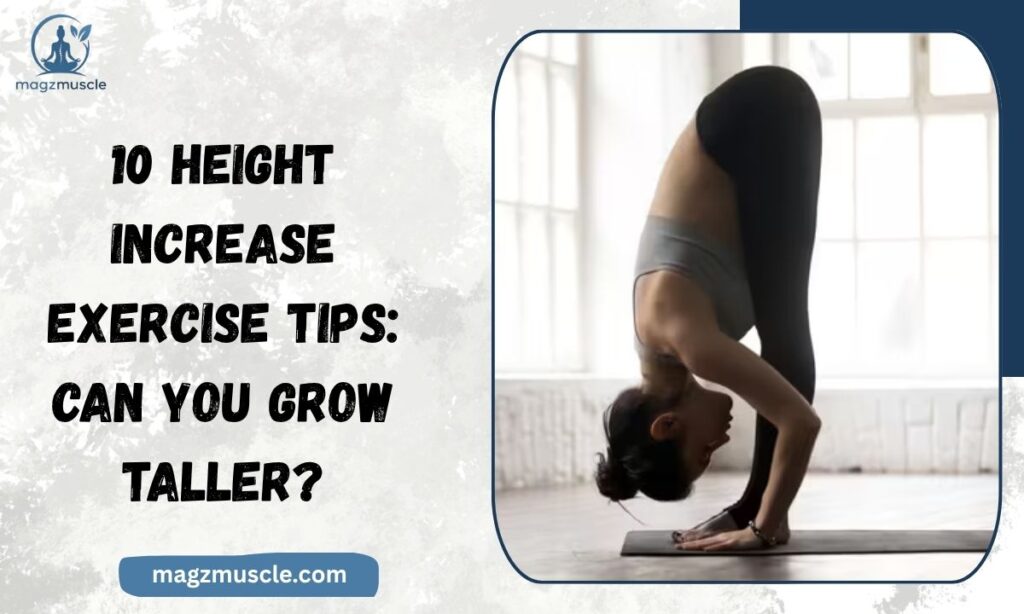
6. Standing Forward Bend (Uttanasana)
This stretch targets the hamstrings and spine, two areas that directly affect how tall you stand.
How to do it:
- Stand tall with feet hip width apart.
- Exhale and slowly bend forward from your hips, reaching toward your toes.
- Let your head and neck relax completely.
- Hold for 15 to 30 seconds before slowly rising back up.
Uttanasana improves flexibility in the hamstrings and lower back, which can reduce stiffness that limits your natural posture.
7. Bridge Pose (Setu Bandhasana)
Bridge Pose strengthens the back, glutes, and core while stretching the front of the hips and spine.
How to do it:
- Lie on your back with knees bent and feet flat, hip width apart.
- Keep your arms flat by your sides.
- Press through your feet and lift your hips toward the ceiling.
- Hold for 15 to 20 seconds, then lower slowly.
This pose activates the muscles that support upright posture and helps counteract the effects of long hours sitting.
8. Downward-Facing Dog (Adho Mukha Svanasana)
This well known yoga pose stretches the entire back body, from your shoulders to your calves.
How to do it:
- Start on your hands and knees, then tuck your toes and lift your hips upward.
- Straighten your arms and legs, forming an inverted V shape.
- Press your heels toward the floor and let your head hang relaxed.
- Hold for 20 to 30 seconds.
Downward Facing Dog decompresses the spine, stretches the hamstrings, and builds shoulder and arm strength.
9. Side Stretch (Standing Lateral Bend)
The Side Stretch lengthens the muscles along your sides, which supports better spinal alignment and rib cage mobility.
How to do it:
- Stand tall with your feet hip width apart.
- Raise one arm overhead and lean gently to the opposite side.
- Hold for 15 to 20 seconds, feeling the stretch along your side body.
- Switch sides and repeat.
This movement improves flexibility in the obliques and spine, both of which contribute to a taller looking stance.
10. Mountain Pose (Tadasana)
Tadasana looks simple, but it’s one of the most effective postures for training your body to stand at its full height.
How to do it:
- Stand with feet together, weight evenly distributed.
- Engage your thighs, lift your chest, and lengthen your spine upward.
- Relax your shoulders down and away from your ears.
- Hold for 30 seconds to a minute, breathing steadily.
Mountain Pose builds body awareness and reinforces the posture habits that make you appear taller in everyday life.
10 Benefits of Height-Increasing Exercises

Even if you’re skeptical about adding real inches to your frame, these exercises offer benefits worth showing up for.
- Improved posture. Regular stretching corrects rounded shoulders and forward head posture, instantly making you look taller.
- Spinal decompression. Hanging and stretching exercises relieve pressure between vertebral discs that builds up from sitting all day.
- Better flexibility. A flexible spine and hips allow your body to move and stand in its full, natural length.
- Stronger core muscles. A strong core supports your spine and prevents the slouching that shaves off visible height.
- Increased blood circulation. Movement improves blood flow to muscles and joints, supporting overall bone and tissue health.
- Reduced back pain. Stretches like Cat Cow and Cobra ease tension in the lower back caused by prolonged sitting.
- Enhanced growth hormone release. Physical activity, especially strength based movement, is linked to healthy hormone function that supports growth during developmental years.
- Better balance and coordination. Poses like Tadasana and Tree Pose train stability, which reflects in how confidently you carry yourself.
- Boosted confidence. Standing taller and moving with better posture changes how you feel and how others perceive you.
- Support for an active lifestyle. These exercises double as a warm up or recovery routine for sports, gym sessions, or daily movement.
How to Get Started with Height-Increasing Exercise
Getting started doesn’t require a gym membership, expensive equipment, or hours of free time. All you really need is a bit of space, a consistent schedule, and the willingness to stick with simple movements over several weeks. The goal is to build a routine you can actually maintain, not one that burns you out in the first few days.
Before diving into the exercises themselves, it helps to understand what to expect and how to approach your first few sessions. Setting realistic goals and starting with beginner-friendly movements will keep you motivated and reduce your risk of injury. The sections below walk you through exactly what you need and how to ease into your routine.
What You Need to Begin
You don’t need much to get started:
- A yoga mat or soft, flat surface
- Comfortable, breathable clothing
- A pull up bar or sturdy overhead beam for hanging exercises
- A water bottle to stay hydrated
- 15 to 20 minutes of uninterrupted time
That’s it. Most of these exercises use nothing but your own body weight.
Setting Realistic Goals
Before you begin, it helps to set expectations that keep you motivated instead of discouraged.
- Understand that visible height gain is more likely during the growth years, roughly up to your early twenties.
- Focus on posture and flexibility gains first. These show up faster and are noticeable within a few weeks.
- Track progress with photos or a wall measurement every month instead of daily, since day to day changes aren’t meaningful.
- Aim for consistency over perfection. Three to five sessions a week beats one intense session that leaves you sore and unmotivated.
Start with the Basics
If you’re new to stretching or yoga, ease in rather than diving into advanced poses.
- Begin with simple stretches like Cat Cow and Standing Forward Bend before attempting Bridge Pose or Dead Hangs.
- Warm up your muscles with light movement for 3 to 5 minutes before stretching.
- Hold each stretch for 15 to 30 seconds and avoid bouncing, which can strain muscles instead of lengthening them.
- Listen to your body. Mild stretching sensations are normal, but sharp pain is a signal to stop.
Common Mistakes to Avoid
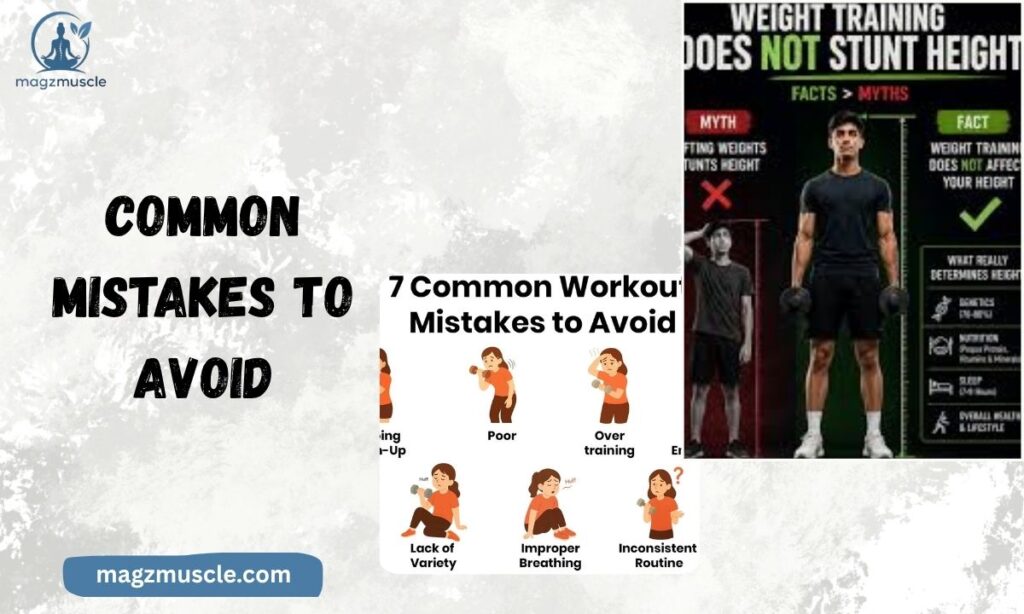
Even with the right exercises, small errors in form or consistency can slow your progress or lead to unnecessary strain. Here are the most common mistakes people make when starting a height-improvement routine, and how to steer clear of them.
Many people undo their progress with a few avoidable habits. Watch out for these:
- Skipping warm ups. Stretching cold muscles increases the risk of strain instead of improving flexibility.
- Overdoing it. More isn’t always better. Excessive hanging or stretching can lead to soreness and burnout rather than faster results.
- Ignoring posture during the day. Doing these exercises for 20 minutes won’t help much if you slouch for the other 15 hours you’re awake.
- Expecting overnight results. Height and posture changes take weeks of consistent effort, not a single session.
- Neglecting nutrition and sleep. Growth hormone is released mainly during deep sleep, and bones need calcium, protein, and vitamin D to stay healthy.
- Using poor form. Rushing through movements like Jumping Squats or Bridge Pose reduces their effectiveness and raises injury risk.
- Comparing your timeline to others. Genetics, age, and activity levels vary, so progress looks different for everyone.
Who Should Try These Exercises?
These exercises are suitable for a wide range of people, though the results you can expect vary by age and circumstance.
- Teenagers and young adults with open growth plates may see the most direct benefit for height development.
- Adults in their twenties and beyond can still improve posture, flexibility, and how tall they appear standing and sitting.
- Desk workers and students who sit for long hours will benefit from the spinal decompression these exercises provide.
- Athletes looking to improve flexibility, balance, and core strength as part of a broader training routine.
- Anyone recovering from poor posture habits caused by screen time, heavy bags, or sedentary routines.
If you have an existing spinal condition, recent injury, or joint issue, check with a doctor or physiotherapist before starting any new exercise routine.
Build Strength with a Routine That Actually Works

Height is mostly written into your genes, but how you carry your body every single day is not. A consistent routine built around stretching, spinal decompression, and core strength can help you stand taller, move better, and feel more confident in your own posture.
Start small. Pick three or four exercises from this list, practice them four to five times a week, and pair your routine with good sleep and balanced nutrition. Over time, these small daily habits add up to a noticeable difference in how tall and confident you look and feel.
Frequently Asked Questions
What exercises help grow taller?
Stretching, yoga, swimming, and posture exercises support flexibility and posture, but they cannot increase bone length after growth plates close.
How to grow height faster by exercise?
No exercise can make height grow faster. Regular activity supports healthy development, posture, flexibility, and overall physical fitness.
Can I grow 2 inches taller?
Some teenagers may naturally grow two inches during puberty, but growth varies and cannot be guaranteed through exercise.
How can I get 5 inches taller?
Five inches of growth cannot be guaranteed. Height mainly depends on genetics, puberty, nutrition, sleep, and overall health.
Can I increase my height from 5’5″ to 5’7″?
You may naturally reach 5’7″ if you are still growing, but exercises cannot guarantee a specific height increase.
Is 5’7″ short for a 17 year old guy?
Height varies widely at 17, and 5’7″ can be within a normal range depending on individual growth and development.
Conclusion
If you are looking for an height increase exercise, keep your routine simple and consistent. An exercise to increase height can support better posture, flexibility, and overall body strength. A regular height exercise routine may help you stand taller and feel more confident. The right height increase exercise can also improve mobility when done with proper form.
Remember, हाइट बढ़ाने की एक्सरसाइज cannot guarantee extra height, especially after natural growth has finished. Still, height increase exercise can be useful for posture and fitness. If you often ask, “which exercise increase height?” focus on stretching, yoga, and posture exercises. Choose a safe height exercise routine and practice it regularly. Stay active, eat well, and give your body enough rest. Most importantly, keep realistic goals and enjoy the process.