


If you are confused about xformer vs megaformer, you are not alone. Many people see the xformer machine, compare xformer vs reformer, and even wonder about reformer vs megaformer before choosing the right workout. If you are curious about xformer pilates, this guide will help clear up the confusion.
In this article, we will explain xformer vs megaformer in simple words so you can understand the key differences without any guesswork. You will learn how each machine works, who they are best for, and what to expect from every workout. By the end, you will have the information you need to choose the best option for your fitness goals.
Xformer VS Megaformer
The Xformer and Megaformer are both built on the same Lagree foundation of spring resistance, continuous tension, and low-impact full-body training. Despite sharing this core philosophy, the two machines diverge in spring placement, platform design, and overall workout pace. These differences shape how each class feels, even when the exercises look nearly identical on the surface.
Choosing between them often comes down to personal preference rather than one machine being objectively superior. Some people prefer the deep, progressive burn of the Megaformer, while others enjoy the smoother, faster-paced feel of the Xformer. The quick comparison below highlights the key distinctions.
| Category | Megaformer | Xformer |
| Origin | Original Lagree machine | Newer, refined evolution |
| Resistance feel | Progressive build-up | Consistent throughout movement |
| Best for | Deep strength holds | Faster, dynamic transitions |
| Platform | Sliding, standard design | Larger, fixed end platforms |
| Exercise variety | Broad, classic Lagree library | Expanded with dual pulleys |
What is the Megaformer?
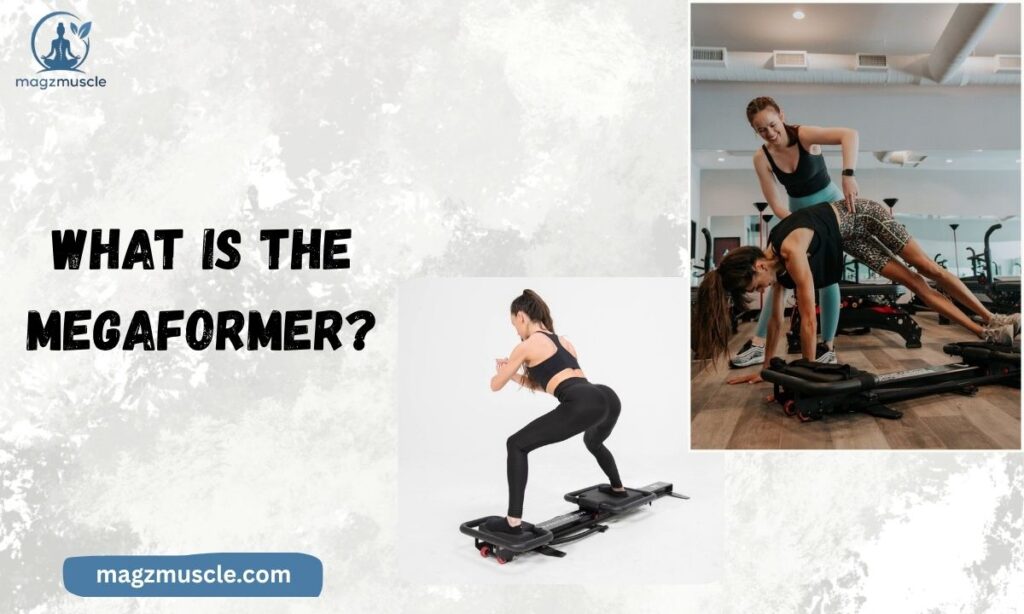
The Megaformer is a studio reformer machine built around a moving carriage, multiple adjustable springs, and a long platform that shifts under your bodyweight as you move. It was purpose-built for the Lagree method, a training system that blends strength training, Pilates-style control, and cardio conditioning into one continuous, low-impact session.
Unlike a traditional Pilates reformer, the Megaformer uses a wider spring range and a longer carriage travel distance, which allows for a broader library of standing, kneeling, and plank-based exercises. It is the machine most people picture when they hear the word “Lagree.”
How the Megaformer Originated and Who Built It
The Megaformer was created by Sebastien Lagree, a fitness entrepreneur who wanted a machine that could combine the muscular endurance principles of bodybuilding with the joint-friendly movement of Pilates. Rather than modifying a classical reformer, Lagree engineered a new frame from the ground up, one with a heavier resistance range and a platform designed for constant tension rather than isolated repetitions.
Since its release, the Megaformer has become the signature machine of Lagree-branded studios worldwide and is often the reference point people use when comparing newer machines like the Xformer.
How the Machine Actually Works
The Megaformer works on a simple mechanical principle. A carriage sits on rails and is connected to a set of springs at one end of the frame. As you push or pull the carriage using your arms, legs, or core, the springs resist the movement in both directions, meaning your muscles work on the way out and on the way back.
Handles, straps, and a moveable headrest allow instructors to adjust the machine for dozens of exercise variations, from lunges and rows to planks and lateral leg work, all performed on an unstable, gliding surface.
What a Typical Session Feels Like
A Megaformer class usually moves through a series of timed positions rather than counted repetitions. You might hold a lunge for 30 to 60 seconds while pulsing through a small range of motion, then transition directly into the next exercise with almost no rest.
The pace is slow and controlled, but the muscle fatigue builds quickly. Most people describe the sensation as a deep, burning tension rather than sharp exertion, which is a hallmark of the Lagree training style.
What It Trains and Why It Works
The Megaformer targets nearly every major muscle group in a single session, including the core, glutes, hamstrings, quadriceps, shoulders, and back. Because the carriage never fully stops moving, your stabilizer muscles stay engaged throughout the entire class, not just during the primary movement.
This constant tension approach borrows from bodybuilding principles like time under tension and progressive overload, applied in a format that is far gentler on the joints than traditional weight training.
Low-Impact Muscle Sculpting
Because the springs absorb impact instead of your joints, the Megaformer allows for high-intensity muscle work without the pounding associated with running or jumping. This makes it appealing to people recovering from injury, managing joint sensitivity, or simply looking for a sustainable long-term training method.
Typical Energy Burn and Session Length
Most Megaformer classes run between 45 and 50 minutes and can burn a meaningful number of calories thanks to the continuous full-body engagement, though exact numbers vary by intensity, body composition, and instructor programming. Many participants also report improved muscular endurance and posture after consistent weekly sessions.
Related Reading
- What Is the Lagree Method and How Is It Different From Pilates?
- Megaformer Workout Benefits: What to Expect in Your First Class
- Reformer vs Megaformer: Key Differences Explained
What Is the Xformer?

The Xformer is a refined evolution of the original Lagree machine, designed to deliver the same low-impact, high-intensity training with a smoother resistance feel. It uses the same foundational spring and carriage system as the Megaformer, but adjusts the geometry to create more consistent tension throughout each movement. This makes it a popular choice for studios looking to modernize their equipment lineup.
Beyond mechanics, the Xformer stands out for its expanded exercise possibilities and studio-friendly design. Larger fixed platforms support safer standing work, while dual pulley systems open up a wider variety of movements than a traditional single-pulley setup. For many studios, these features translate into more dynamic, varied class programming.
- Smoother resistance curve: Delivers more even tension in both directions of a movement.
- Larger fixed platforms: Support safer, more dynamic standing exercises.
- Dual pulley systems: Expand the range of possible exercises significantly.
- Studio-friendly customization: Offers flexible frame, handle, and accessory options.
How the Xformer and Megaformer Differ in Design and Purpose
While the Megaformer was built as the original machine for the Lagree method, the Xformer takes a more flexible approach to design. Its platforms tend to be larger and more fixed at either end of the frame, which supports safer standing and dynamic movement. Some Xformer models also include dual pulley systems, expanding the exercise library well beyond what a single-pulley Megaformer offers.
Performance, Programming, and Workout Feel
Because of its adjusted spring geometry, the Xformer can create a variable tension feel, meaning your muscles work through a more even resistance curve in both directions of a movement. Instructors often use this to build faster transitions and shorter cardio bursts between strength segments, giving classes a slightly different rhythm than a traditional Megaformer session.
Who Benefits from Choosing an Xformer
The Xformer tends to suit:
- People who want a full-body, high-intensity workout without high-impact joint stress
- Studios that want a broader range of standing and dynamic exercises
- Clients who enjoy quicker transitions and a faster-paced class structure
- Those transitioning from traditional Pilates who want more resistance variety
Things Studios and Buyers Should Check Before Buying
Before purchasing or committing to a studio built around the Xformer, it is worth checking:
- Available spring configurations and resistance range
- Warranty terms and manufacturer service support
- Accessory compatibility, including handles and straps
- Software or class-tracking tools included with the machine
- Delivery, assembly, and maintenance costs
Experience Efficient, Guided Lagree
For newcomers, the fastest way to understand the Xformer difference is to take a guided class with a certified instructor who can walk you through proper form, spring adjustments, and pacing before you attempt a full session on your own.
Related Reading
- Xformer Workout Benefits: What Makes It Different
- How to Choose a Lagree-Style Studio Near You
- Beginner’s Guide to Your First Lagree Class
Key Differences Between the Xformer and Megaformer

While the Xformer and Megaformer share the same core principles of spring resistance and continuous tension, the details of their design create distinct workout experiences. Spring placement, platform size, and model customization all shape how each exercise feels, from a simple lunge to a full plank series. Understanding these differences can help you choose a machine that matches your training style and studio needs.
Beyond the mechanics, cost, service support, and available accessories also play a role in the decision, especially for studio owners comparing long-term investments. Buyers should weigh not just how the machine feels in a workout, but how easy it is to maintain and customize over time. The table below summarizes the core differences at a glance.
| Feature | Megaformer | Xformer |
| Spring resistance | Builds progressively with carriage travel | Stays more consistent through the movement |
| Platform design | Standard sliding platform | Larger, fixed end platforms for standing work |
| Pulley system | Typically single pulley setup | Often dual pulley for expanded exercises |
| Class pace | Longer holds, deeper fatigue | Faster transitions, quicker cardio bursts |
| Customization | Multiple model tiers | Smaller lineup, more accessory flexibility |
Spring Placement and How It Changes Movement
The Megaformer’s springs are positioned to create resistance that builds progressively as the carriage moves further from the frame. The Xformer’s spring placement is engineered to keep tension more consistent throughout the entire range of motion. In practice, this means certain exercises, like rows or lunges, can feel noticeably different depending on which machine you use.
Models, Options, and How Customization Works
The Megaformer lineup includes several model tiers, often distinguished by spring count, frame material, and included accessories. The Xformer lineup is generally smaller but tends to offer more customization for studios that want a specific frame color, handle style, or accessory package.
Where They Are Built and Service Considerations
Both machines are typically manufactured for commercial studio use, which means parts availability, warranty coverage, and local service support should be part of any buying decision. Studios investing in either machine should confirm response times for repairs and replacement parts before signing a purchase agreement.
How the Workouts Actually Move and Burn
Both machines deliver a full-body, resistance-based workout with continuous tension. The main difference shows up in pacing:
- Megaformer classes often hold positions longer, building deep muscular fatigue
- Xformer classes tend to move slightly faster, blending strength holds with quicker cardio transitions
Neither approach is objectively better; they simply produce a different training stimulus.
Cost, Setup, and What You Should Budget For
Both machines represent a significant investment for studio owners, often exceeding several thousand dollars once shipping, assembly, and accessories are included. Buyers should also budget for:
- Floor space, since both machines have a long footprint
- Flooring reinforcement for commercial use
- Ongoing maintenance and spring replacement over time
- Instructor certification or training costs
Which Machine Offers a Better Workout?

There’s no single answer to which machine is better, since the Xformer and Megaformer are built to deliver similar results through slightly different mechanics. Your ideal choice depends on how your body responds to resistance, how long you like to hold positions, and what pace keeps you engaged through a full class. Both machines can deliver an equally effective workout when programmed well by a skilled instructor.
Rather than focusing on which machine wins on paper, it helps to think about what you personally want out of a session. Some people thrive on longer, progressively demanding holds, while others prefer smoother resistance and faster transitions. Testing both machines with a certified instructor is the most reliable way to find your fit.
- Resistance style: The Megaformer builds tension progressively, while the Xformer keeps resistance more consistent throughout each movement.
- Class pace: Megaformer sessions often favor longer holds, while Xformer classes tend to move faster with quicker transitions.
- Body considerations: Joint sensitivity, injury history, and strength goals can make one machine feel more comfortable than the other.
- Instructor quality: A well-coached class can make either machine feel challenging, safe, and effective.
How the Spring System and Mechanics Change the Workload
Because the Megaformer’s resistance builds progressively, it can feel more demanding during longer carriage extensions, which tends to emphasize raw strength and endurance. The Xformer’s more consistent tension curve can make certain movements feel smoother, which some people find easier to sustain for longer sets.
Who Benefits Most from Each Machine
- Choose the Megaformer if you want the original Lagree experience with long, demanding holds
- Choose the Xformer if you prefer a slightly faster pace with a broader range of standing exercises
- Choose either machine if your main goal is a low-impact, full-body strength and cardio workout
Class Structure, Programming, and Instructor Skill
The machine only accounts for part of the workout. Instructor experience plays a major role in how effective and safe a class feels, since proper spring adjustments, form cues, and pacing are what actually determine your results. A skilled instructor can make either machine feel challenging and rewarding.
Practical Differences: Size, Setup, and Accessibility
Both machines require dedicated studio space and are not designed for casual home use in most cases. If you are comparing studios rather than buying equipment, accessibility often comes down to which machine your preferred studio already teaches on, rather than a meaningful performance gap between the two.
How to Choose in Practice
- Try a class on each machine if possible before deciding
- Consider your injury history and joint sensitivity
- Think about whether you prefer longer holds or faster transitions
- Factor in studio location, schedule, and instructor quality
- Pay attention to which workout you actually look forward to repeating
Recovery, Progression, and Long-Term Results
Consistency matters more than which machine you choose. Both the Xformer and Megaformer are designed for progressive overload within a low-impact framework, meaning results build over weeks of regular training rather than a single intense session. Most people notice improved core strength, muscular endurance, and posture within several weeks of consistent practice.
Book a Lagree Class in London Today
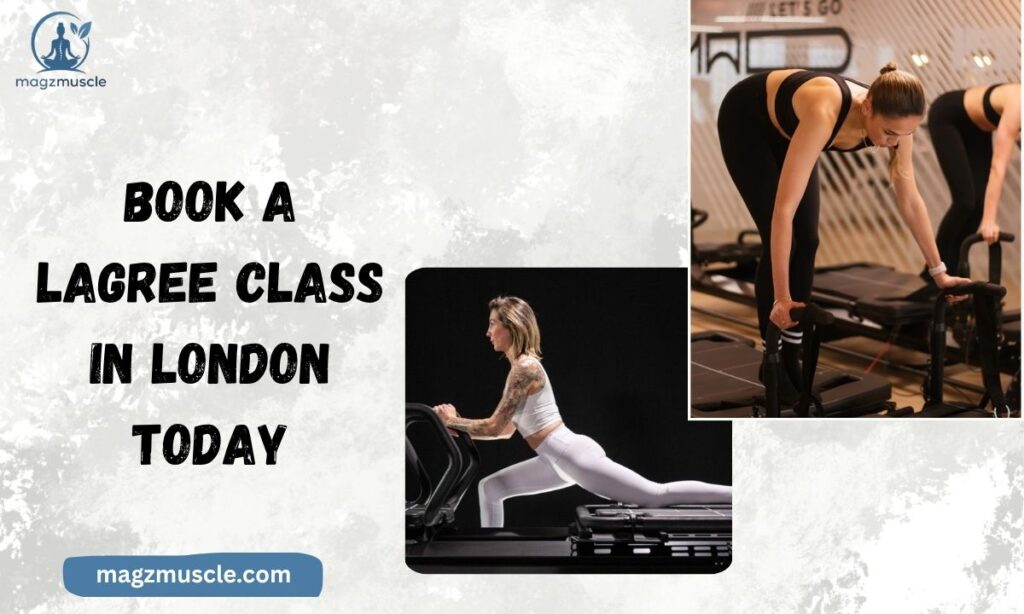
If you’re ready to feel the difference between the Xformer and Megaformer for yourself, London has a growing number of studios offering guided Lagree classes for all fitness levels. Booking a class is the fastest way to understand spring resistance, carriage movement, and full-body engagement firsthand. Most studios make it simple to reserve your spot online in just a few minutes.
Whether you’re new to Lagree or switching from traditional Pilates, a certified instructor will walk you through proper form, spring adjustments, and pacing from your very first session. Classes typically run 45 minutes and combine strength, cardio, and core work without heavy joint impact. Book today and experience why Lagree has become one of London’s most talked-about workout methods.
45 Minutes of Strength and Cardio That Respect Your Body
A well-programmed Lagree class delivers a complete strength and cardio workout in around 45 minutes, without the joint impact associated with running or high-impact circuit training.
Instructor Standards: Certified, Mentored, and Accountable
Look for studios where instructors go through formal Lagree certification and ongoing mentorship. This ensures spring settings, form corrections, and class pacing are handled safely, especially for beginners.
What You’ll Feel and See in Two Weeks
Most first-time clients notice improved muscular endurance, better posture awareness, and increased core control within their first couple of weeks of consistent classes, along with the expected muscle fatigue that comes with time-under-tension training.
Why Lagree Works: Science When You Want Results
The method’s effectiveness comes from combining constant muscular tension with controlled, low-impact movement, a formula rooted in established strength training principles rather than trend-driven fitness fads.
Xformer vs Megaformer: Practical Differences That Matter
When choosing a studio, ask which machine they use, how classes are structured, and whether instructors are certified. These practical details matter more day to day than small mechanical differences between the machines.
Choosing Equipment: What to Look For in a Reformers Class
Look for adjustable spring systems, stable platforms, and a range of accessories like handles and straps that allow instructors to modify exercises for different fitness levels and injury considerations.
Class Experience: Coaching, Community, and Progression
A strong studio experience goes beyond the machine itself. Coaching quality, class atmosphere, and a clear sense of progression over weeks and months are what keep people coming back and seeing results.
How to Book and Try a Class
Booking your first class is easier than most people expect. Most studios let you reserve a spot online in just a few minutes, often with a discounted rate for new clients. Arriving 10 to 15 minutes early gives you time to meet your instructor and get comfortable with the machine before class starts.
- Book online or via app: Choose a beginner-friendly time slot and confirm spring settings with the front desk if you have injuries or concerns.
- Try an intro package: Many studios offer a first class free or a short-term multi-class pack so you can test both the Xformer and Megaformer.
- Arrive early and dress right: Wear grip socks and fitted athletic wear, and let your instructor know it’s your first session.
Related Reading
- Lagree vs Pilates: How Are They Different?
- First Time at a Lagree Studio? What to Expect
- How Often Should You Train on a Megaformer or Xformer?
Frequently Asked Questions
Is Xformer the same as Lagree?
No. Xformer and Lagree are related but not exactly the same. Both use resistance-based machines and slow movements, but the equipment, programming, and studio experience can differ.
Is Xformer actually Pilates?
Xformer is inspired by Pilates but is not traditional Pilates. It combines Pilates principles with strength training, endurance, and high-intensity movements for a more challenging workout.
What is the difference between Xformer and reformer Pilates?
Xformer offers a faster-paced, strength-focused workout using higher resistance. Reformer Pilates emphasizes controlled movements, flexibility, posture, balance, and overall body alignment with lower intensity.
Does Kim Kardashian do Lagree?
Yes. Kim Kardashian has publicly shared that she enjoys Lagree workouts. She includes them as part of her fitness routine to improve strength, muscle tone, and endurance.
What is harder, Pilates or Lagree?
Most people find Lagree harder than traditional Pilates. Lagree uses longer muscle engagement, higher resistance, and minimal rest, making workouts more intense and physically demanding.
Does Gwyneth Paltrow do Lagree?
Yes. Gwyneth Paltrow has been linked to Lagree-style fitness and similar low-impact strength workouts. She often supports exercise routines that improve flexibility, balance, and overall wellness.
Conclusion
When comparing xformer vs megaformer, the best choice depends on your fitness goals and experience. The xformer machine gives a challenging but smooth workout for strength and endurance. Many people also compare xformer vs reformer and reformer vs megaformer before joining a class. Every machine has its own style and benefits. If you enjoy xformer pilates, you can expect slow movements that improve balance, core strength, and muscle control. Understanding xformer vs megaformer helps you pick the workout that fits your body and lifestyle.
In the end, there is no single winner in xformer vs megaformer. Both workouts can help you build strength, improve posture, and increase flexibility. Think about your fitness level, budget, and personal goals before choosing. Whether you prefer the xformer machine or another option, staying consistent matters most. Keep learning about xformer vs reformer, reformer vs megaformer, and xformer pilates to make the best decision. With the right choice, xformer vs megaformer becomes much easier to understand.