

Many people notice their legs getting weaker with age, making simple tasks like walking, climbing stairs, or standing up feel harder. If you have been searching for leg strengthening exercises for seniors, you are not alone. The right exercise to strengthen legs for seniors, simple leg exercises for seniors, effective leg strength exercises for seniors, safe elderly leg strengthening exercises, and proven leg strengthening exercises for seniors can help you feel stronger and more confident every day.
In this guide, you will learn easy and safe leg strengthening exercises for seniors that improve balance, mobility, and daily strength. We will explain each movement in simple steps, share helpful tips, and show you how to build stronger legs without making your routine complicated.
Summary
- Weak legs are one of the biggest drivers of falls, reduced mobility, and lost independence in older adults.
- Regular exercise reduces fall risk in older adults by roughly 20 to 25 percent, according to multiple systematic reviews.
- Twelve simple, low impact exercises, including chair squats, calf raises, and sit to stand squats, can be done at home with no equipment.
- Many senior fitness routines plateau because they underdose intensity, skip single leg work, and avoid progressive loading out of fear.
- Structured, supervised methods like Lagree allow safe, measurable strength progression without high impact stress on the joints.
Leg Strengthening Exercises for Seniors

As we age, our leg muscles naturally become weaker.This can make walking and climbing stairs more difficult.Leg strengthening exercises for seniors help improve strength and balance.They also make everyday movements easier and safer.
The best part is that these exercises are simple to learn.Most can be done at home without special equipment.Practice leg strengthening exercises for seniors two or three times each week. With regular effort, you can enjoy stronger legs and better mobility.
| Exercise | Main Benefit | Recommended Reps |
| Chair Squats | Strengthens thighs and hips | 10–15 reps |
| Heel Raises | Improves calf strength and balance | 10–15 reps |
| Seated Leg Extensions | Builds knee and thigh strength | 10–12 reps per leg |
| Standing Hamstring Curls | Strengthens back of the legs | 10–12 reps per leg |
| Side Leg Raises | Improves hip strength and stability | 10–15 reps per leg |
Why Leg Strength Matters More as We Age
Leg strength is not just about fitness. It is the physical foundation that everyday independence is built on, from standing up unaided to catching yourself before a stumble becomes a fall.
How Do Weak Legs Change the Way You Move?
Weak legs shorten your stride, slow your walking speed, and make you rely more on your arms and upper body for tasks your legs used to handle alone. Over time, this altered movement pattern increases strain on the knees, hips, and lower back, and it makes uneven ground or stairs feel far riskier than they used to.
This shift often happens so gradually that people adapt without noticing. A slightly shorter step here, a firmer grip on the stair rail there. But these small compensations add up, and they are usually one of the first visible signs that muscle strength has quietly declined.
What Does the Evidence Actually Show About Falls and Mobility?
One in three adults over 65 experiences a fall each year, and falls remain one of the leading causes of injury related hospital visits among older adults. Multiple systematic reviews have found that structured exercise programs, particularly those combining strength and balance training, can reduce fall rates by around 20 to 25 percent.
Importantly, the research is consistent on one point: it is not gentle movement alone that produces this protective effect. Programs that include a genuine resistance or strength component tend to outperform stretching or mobility only routines when it comes to reducing falls and preserving independence.
Why is Strength More Protective Than Flexibility Alone?
Flexibility helps joints move through their range comfortably, but it does not generate the force needed to catch a stumble, push up from a low chair, or climb a step. Strength does. Muscles are what actively produce the force required to control and correct movement in real time, which is why strength training has a more direct link to fall prevention than flexibility work alone.
Think of flexibility as opening the door and strength as the ability to actually walk through it. Both matter, but only one gives you the power to react.
How Do Training Methods and Coaching Change Outcomes?
Supervised, well coached programs consistently produce better strength and balance outcomes than unsupervised, generic routines, largely because a coach can correct form, adjust load safely, and keep intensity in the productive zone. This is especially true for seniors, where poor form or too little challenge can silently cap progress for months.
Good coaching also helps people push slightly past their comfort zone in a controlled way, which is often the missing ingredient in home routines that plateau early.
Functional Movement Longevity
Functional movement longevity refers to the ability to keep performing real world tasks (standing, walking, reaching, climbing) with control and confidence well into later life. It is less about how much weight you can lift and more about how efficiently your body performs the movements daily life actually demands.
Core-Centric Lower Body Integration
Core-centric lower body integration means training the legs and the core together rather than in isolation. A stable core gives the legs a solid base to push and stabilise from, which is why exercises that quietly engage the abdominal and back muscles alongside the legs tend to transfer better to real life balance and mobility.
Which Muscles Should You Prioritise, and How Do They Protect You?
Prioritise the quadriceps, hamstrings, glutes, and calves, since these four muscle groups control standing, walking, stair climbing, and balance recovery. The glutes and quadriceps handle rising from a seated position, the hamstrings support knee stability, and the calves manage balance and push off during walking.
Training all four together, rather than isolating just one, builds a more evenly distributed strength base and reduces the chance of one weak link undermining the whole chain.
Related Reading
- How Strength Training Supports Bone Density in Older Adults
- Balance Exercises for Seniors: A Beginner’s Guide
- Understanding Sarcopenia and How to Slow Muscle Loss
12 Common Leg Strengthening Exercises for Seniors

The exercises below are widely recommended by physiotherapists and senior fitness specialists because they build strength gradually, require little to no equipment, and can be done seated, standing with support, or lying down depending on your current mobility.
Always use a sturdy chair or wall for support where needed, move slowly, and stop if you feel sharp pain. A dull, working sensation in the muscle is normal; joint pain is not.
1. Chair Squats
Sit on the edge of a sturdy chair with feet flat on the floor, hip width apart. Lean slightly forward, push through your heels, and stand up. Lower yourself back down slowly and with control.This exercise strengthens the glutes, quadriceps, and hamstrings, and it directly mirrors one of the most repeated movements in daily life: standing up from a seat.
2. Seated Leg Extensions
Sit tall in a chair with feet flat on the floor. Slowly straighten one knee until the leg is extended, hold briefly, then lower it back down with control. Repeat on the other side.This targets the quadriceps in a joint friendly way and is a great starting point for anyone with limited standing tolerance.
3. Calf Raises
Stand behind a chair or counter for support. Rise up onto your toes, hold for a second, then lower your heels back down slowly.Calf raises strengthen the lower leg and ankle, which plays a bigger role in balance and fall prevention than most people realise.
4. Side Leg Raises
Stand behind a chair, holding on for support. Lift one leg straight out to the side, keeping your body upright, then lower it slowly. Repeat on both sides.This works the hip abductors and outer thigh, muscles that are essential for lateral stability and preventing sideways falls.
5. Marching in Place
Stand tall, holding onto a chair if needed. Lift one knee toward your hip, lower it, then repeat with the other leg, as if marching slowly on the spot.
This exercise builds hip flexor strength and improves coordination between the upper and lower body, both important for confident walking.
6. Leg Curls
Stand behind a chair for balance. Bend one knee, bringing your heel up toward your glutes, then lower it back down with control. Repeat on both legs.This targets the hamstrings, which support knee stability and help protect against buckling or giving way while walking.
The Static Routine Plateau
Many seniors settle into the same set of exercises at the same intensity for months or years, which leads to what can be called the static routine plateau. The muscles adapt quickly to a fixed load, and without gradual progression, strength gains stall even though the person is still technically exercising. Recognising this pattern early is one of the simplest ways to keep results moving forward.
7. Ankle Circles
Sit with one foot slightly off the floor. Slowly rotate the ankle in a full circle, ten times in each direction, then switch feet.This keeps the ankle joint mobile, supports circulation, and helps reduce the stiff, heavy feeling many people notice in their lower legs after long periods of sitting.
8. Knee Lifts
Sit tall in a chair. Lift one knee up toward your chest as high as comfortably possible, hold briefly, then lower it. Repeat with the other leg.This gently strengthens the hip flexors and core while remaining fully seated, making it ideal for those with limited standing balance.
9. Wall Push (Partial Squat)
Stand with your back against a wall, feet shoulder width apart and slightly forward. Slowly bend your knees into a small, partial squat, keeping your back flat against the wall, then push back up.This builds quadriceps and glute strength while the wall provides constant support, making it a safer entry point than a free standing squat.
10. Toe Taps
Sit in a chair with feet flat on the floor. Lift the toes of one foot upward while keeping the heel grounded, tap down, then repeat. Switch feet after a set.This works the muscles along the front of the shin, which help lift the foot during walking and are closely linked to tripping prevention.
11. Step-Ups
Using a low, sturdy step or the bottom stair, step one foot up fully onto the step, bring the other foot to meet it, then step back down. Use a rail for support.Step-ups closely mimic stair climbing and build strength across the glutes, quadriceps, and calves in a single, functional movement.
12. Sit-to-Stand Squats
Similar to the chair squat but performed with a slightly slower tempo and without pausing at the top, sit-to-stand squats build endurance in the pattern you repeat most often throughout the day.This exercise is often used by physiotherapists as a simple test of lower body strength and functional independence.
The Fear-Adherence Barrier
One of the biggest obstacles to progress is not physical, it is psychological. Many older adults quietly reduce their effort or avoid certain movements because of a past fall or an old injury, a pattern known as the fear-adherence barrier. This caution is understandable, but it can also lead to under-training, which paradoxically keeps the muscles weak enough that a future fall becomes more likely rather than less.
The Preventative Loading Strategy
The preventative loading strategy is the practice of gradually increasing resistance before pain, injury, or a fall forces a person into rehabilitation. Rather than waiting for a problem to appear, small, consistent increases in load are added while the person is still capable and confident, which keeps the muscles ahead of age related decline instead of playing catch up.
Where Many Leg Exercises Fall Short for Seniors
Bodyweight routines like the ones above are an excellent starting point, but many seniors find their progress stalls after the first few weeks. Understanding why helps explain what needs to change next.
How Are Exercises Quietly Underdosed?
Exercises are often underdosed when the number of repetitions stays low and never increases, even after the movement has become easy. Muscles only adapt and grow stronger when they are challenged slightly beyond their current capacity, so a routine that never progresses in reps, resistance, or tempo will eventually stop producing meaningful gains.
Why Neglecting Unilateral Work and Reactive Power Matters
Neglecting single leg (unilateral) work leaves a major gap, because most falls happen during single leg moments, such as stepping over an obstacle or catching yourself mid stride. Reactive power, the ability to generate force quickly to correct a stumble, is also rarely trained in typical slow, seated routines, even though it is one of the most protective qualities against an actual fall.
What Measurement Habits Change Outcomes?
Tracking simple numbers, such as how many chair squats you can complete in 30 seconds or how long you can hold a single leg stance, gives a clear, objective picture of progress. Without measurement, it is easy to assume a routine is working when strength has actually plateaued for months.
Why Fear, Pain Memory, and Conservative Cueing Blunt Progress
Fear of falling, memory of past pain, and overly cautious coaching cues can all cause seniors to hold back well below their true capacity. While caution has its place, consistently under-challenging the muscles prevents the very strength gains needed to reduce fall risk in the first place.
The Measured Progression Safety-Net
The measured progression safety-net is a coaching approach where every increase in intensity is paired with a specific, trackable checkpoint, such as a rep target or a stability test, before moving forward. This gives structure to progression without guesswork, so increases in difficulty always happen from a position of demonstrated readiness rather than assumption.
The Certified Micro-Loading Framework
The certified micro-loading framework involves adding very small, controlled increases in resistance under the guidance of a qualified instructor. Because the increments are small and closely supervised, the nervous system and joints have time to adapt safely, which allows steady progress without the flare ups that often come from jumping too far, too fast.
Which Structural Training Mistakes Are Easiest to Fix First?
The easiest mistakes to fix first are skipping progression, avoiding single leg work, and training only in slow, controlled ranges without ever building speed or reactive control. Addressing these three areas tends to produce the fastest visible improvement in both strength and confidence.
Evidence That Small, Consistent Strength Work Pays Off
Research on progressive resistance training in older adults has repeatedly shown measurable improvements in muscle strength, functional mobility, and bone health, even with modest, gradually increasing loads. The key variable across successful studies is consistency and progression, not the intensity of any single session.
Related Reading
- Why Progressive Overload Still Matters After 60
- Single Leg Balance Training: A Fall Prevention Essential
- How Often Should Seniors Strength Train Each Week?
The Shift: From “Gentle Movement” to Smart Strength Training

Gentle movement keeps the body active and mobile, but on its own it rarely builds enough strength to meaningfully lower fall risk. Real progress comes from pairing that caution with genuine, progressive resistance work, where load and tempo are increased gradually as the body adapts.
This shift does not mean abandoning safety for intensity. It means training with purpose, using measurable markers of progress instead of simply staying active without direction. Done well, this approach builds strength that actually transfers to daily movement.
What smart strength training adds to a gentle movement routine:
- Small, consistent increases in resistance or repetitions instead of repeating the same easy routine indefinitely
- Close attention to form and fatigue, so intensity rises without triggering pain or joint strain
- Clear progress markers, like sit to stand speed or balance hold time, to confirm the training is actually working
How Do You Raise Intensity Without Triggering Pain?
Intensity is raised safely by increasing load or repetitions in small increments while closely monitoring joint response, rather than making large jumps in difficulty. A general guide is to increase challenge only once a movement feels comfortably manageable for two consecutive sessions.
The Pain-Neural Threshold Strategy
The pain-neural threshold strategy involves training right up to the point where effort feels challenging but controlled, then stopping before the nervous system signals sharp or protective pain. This threshold, rather than a fixed number of reps, becomes the real guide for how far to push in any given session.
Which Recovery and Lifestyle Choices Change Outcomes?
Adequate sleep, sufficient protein intake, and at least one full rest day between strength sessions all support muscle recovery and long term progress. Older adults typically need slightly more recovery time between sessions than younger adults, so spacing sessions appropriately is just as important as the training itself.
What Does “Transfer to Daily Life” Really Require?
Transfer to daily life requires exercises that mimic real movements, such as standing, stepping, and reaching, performed under load and at a controlled tempo. A strong leg press number means little if it does not translate into an easier time climbing stairs or carrying groceries.
Is Smart Strength Safer Than the Old Approach?
Yes, when properly coached, smart strength training is generally safer than purely gentle movement routines, because stronger muscles better protect joints and reduce the likelihood of a fall in the first place. The key difference is supervision and progression, not simply lifting heavier.
What Outcomes Should You Measure to Know the Program is Working?
Track sit to stand repetitions in 30 seconds, single leg stance time, walking speed, and how confident you feel navigating stairs or uneven ground. Improvement in two or more of these markers over 8 to 12 weeks is a strong sign the program is working.
The Supervised Low-Impact Model
The supervised low-impact model combines close coaching, controlled resistance equipment, and joint friendly movement patterns to deliver strength gains without the pounding stress of high impact exercise. This model is particularly well suited to older adults managing arthritis, osteoporosis, or joint sensitivity.
What Immediate Coaching Cues Keep This Approach Accessible?
Simple cues like “move slowly on the way down,” “breathe out on the effort,” and “stop at working fatigue, not pain” keep sessions accessible for beginners while still building genuine strength.
How Does the Method Show It Works?
The method shows it works through repeatable, measurable improvement over weeks, not days, tracked through simple tests like sit to stand counts and balance times rather than subjective impressions alone.
The Tuning-Based Resilience Model
The tuning-based resilience model treats the body like an instrument that needs small, precise adjustments rather than large, forceful changes. Instead of pushing hard and hoping for the best, load and tempo are fine-tuned session by session, which builds resilience gradually and protects against setbacks.
How Lagree Fits Leg Strengthening for Seniors

Lagree is a low impact, resistance based method performed on a specialised machine that lets instructors precisely control resistance, tempo, and range of motion. For seniors, this level of control matters because it delivers a genuine strength stimulus without the pounding stress of running, jumping, or heavy free weight training.
This makes it especially well suited to building leg strength safely over time, since every variable can be adjusted to match your current ability rather than forcing you into a fixed routine. As strength and confidence grow, resistance and tempo are gradually increased under close supervision.
Why Lagree works well for senior leg strengthening:
- Resistance is adjustable in small, controlled increments, allowing safe progression without sudden strain
- Slow, controlled tempos build muscle activation and joint stability rather than relying on momentum
- Instructors can modify positions on the spot for arthritis, osteoporosis, or balance concerns while still targeting the same muscle groups
How Should Sessions Be Structured for Steady, Measurable Progress?
Sessions should begin with a lower resistance, longer tempo phase to build confidence and control, then gradually introduce higher resistance and shorter holds as strength improves over several weeks. This structure allows the body to adapt safely while still delivering consistent, visible progress.
The Progressive Tempo Framework
The progressive tempo framework slows movements down early in training to build control and muscle activation, then gradually shortens the tempo as strength and coordination improve. Slower movements at the start also reduce the risk of momentum masking weak areas, which is a common issue in faster paced workouts.
How Do Instructors Scale Load Without Risking Flareups?
Instructors scale load by adjusting spring resistance in small, incremental steps and closely watching form and fatigue signs, stopping or backing off the moment technique starts to break down. This close, hands on adjustment is one of the main advantages of a supervised class over a solo home routine.
What Objective Tests Show Real Transfer to Daily Life?
Improved sit to stand speed, longer single leg balance times, and easier stair navigation are the clearest signs that Lagree based strength training is transferring into everyday function, not just improving numbers on a machine.
How Do You Adapt Lagree for Arthritis, Osteoporosis, or Balance Disorders?
Lagree is adapted for these conditions by reducing range of motion, lowering resistance, and prioritising controlled, joint friendly positions over deep or high impact movements. Instructors can also modify exercises to avoid positions that place excess pressure on sensitive joints while still targeting the same muscle groups.
The Osteogenic Loading Priority
The osteogenic loading priority focuses on applying safe, controlled resistance directly through the bones and joints, since this type of loading is one of the few ways to stimulate bone density improvements in older adults. Low impact resistance work, done consistently, can support this goal without the fracture risk associated with high impact activity.
Why Does Consistent Lagree Work Preserve More Than Just Muscle Strength?
Consistent Lagree training preserves muscle strength, bone density, joint stability, and balance simultaneously, because the method engages multiple muscle groups and stabilising systems in every movement rather than isolating a single muscle at a time.
Metabolic and Structural Synergy
Metabolic and structural synergy describes how resistance training improves not just muscle size but also metabolic health, joint support, and bone strength at the same time. This combined effect is one of the reasons structured strength training tends to outperform cardio only routines for long term senior health.
What Extra Coaching Habits Accelerate Gains Without Increasing Risk?
Frequent, specific feedback on form, gradual resistance increases tied to demonstrated readiness, and consistent tracking of small performance markers all accelerate progress while keeping risk low.
The Neurological Brake Strategy
The neurological brake strategy trains the body to slow and control movement precisely, particularly on the way down from an exercise, which strengthens the neuromuscular pathways responsible for catching a stumble before it becomes a fall. This eccentric, controlled emphasis is a quiet but powerful part of fall prevention training.
What Will You Notice First When Programming is Done Right?
Most people notice easier transitions from sitting to standing first, followed by steadier balance on stairs and uneven ground within the first several weeks of consistent, well programmed training.
Book a Lagree Class in London Today
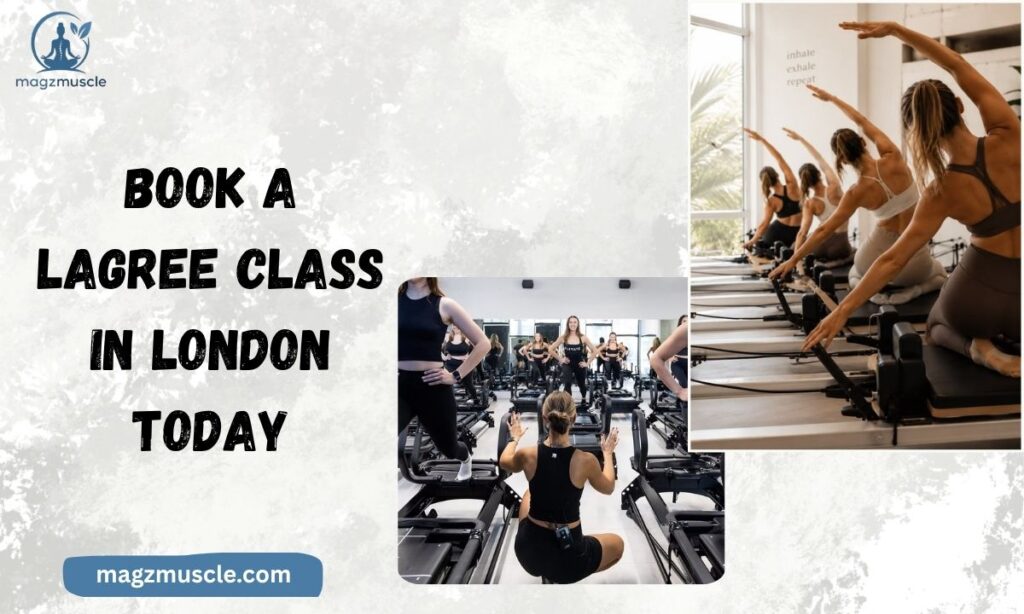
Strong, capable legs are not something you wait to earn back after a fall or injury forces the issue. They are built through steady, well structured training that respects your joints while still challenging your muscles enough to matter. If you are ready to move through daily life with more confidence, the right class can make that shift faster than working alone at home.
Our Lagree classes in London are led by instructors who understand how to scale resistance safely for older adults, tracking your progress rather than guessing at it. Every session is designed to build real strength that carries over into stairs, curbs, and getting up from a chair with ease. Book your first class today and take that first measurable step toward stronger, steadier legs.
Related Reading
- What to Expect in Your First Lagree Class
- Lagree for Beginners: A Complete Guide
- Low Impact Strength Training vs Traditional Gym Workouts
Frequently Asked Questions
Can elderly regain leg strength in elderly?
Yes. With regular strength training, balance exercises, proper nutrition, and enough rest, older adults can improve leg strength, mobility, and confidence over time.
How can I make my weak legs strong again?
Start with safe leg exercises like chair stands, heel raises, seated knee extensions, and walking. Increase difficulty gradually and stay consistent for the best results.
Why are my legs so weak at 70?
Leg weakness at 70 is often caused by age-related muscle loss, reduced physical activity, medical conditions, or poor nutrition. Regular exercise can help improve strength.
How can I build leg muscle after 70?
Build leg muscle by doing strength exercises two to three times weekly, eating enough protein, staying active, and allowing proper recovery between workouts.
What is the best exercise for elderly to strengthen legs?
Chair squats are among the best exercises because they strengthen the thighs, hips, and glutes while improving balance and making everyday movements easier.
How long does it take a 70 year old to build muscle?
Most adults over 70 may notice improved strength within 6 to 12 weeks of regular resistance training, proper nutrition, and consistent physical activity.
Conclusion
Leg strengthening exercises for seniors can make everyday life easier and safer. They help improve balance, build strength, and support better movement. Start slowly and stay consistent. The best exercise to strengthen legs for seniors does not have to be difficult. Simple leg exercises for seniors done a few times each week can make a big difference. Regular leg strength exercises for seniors help keep the legs strong and active.
Everyone can benefit from elderly leg strengthening exercises when they are done correctly and safely. Choose movements that match your fitness level and increase them over time. Keep practicing leg strengthening exercises for seniors to stay independent and confident. With patience and daily effort, leg strengthening exercises for seniors can help you enjoy a healthier, stronger, and more active life.